Forensic Audio and Video Analysis by Private Investigators: Comprehensive Guide to Court-Admissible Evidence in Tennessee

Forensic audio and video analysis plays a crucial role in legal proceedings, particularly in Tennessee, where the integrity of evidence is paramount. This comprehensive guide will explore the methods, technologies, and legal standards surrounding forensic audio and video analysis, ensuring that the evidence presented in court is both reliable and admissible. Many individuals and legal professionals face challenges in understanding how to effectively utilize audio and video evidence in their cases. This article aims to provide clarity on these processes, highlighting the importance of proper analysis and documentation. We will delve into the core methods of forensic audio analysis, the authentication and enhancement of audio evidence, and the verification of video evidence for court admissibility. Additionally, we will discuss the qualifications required for private investigators in Tennessee and how clients can secure professional forensic investigation services.
What Are the Core Methods of Forensic Audio Analysis in Tennessee?
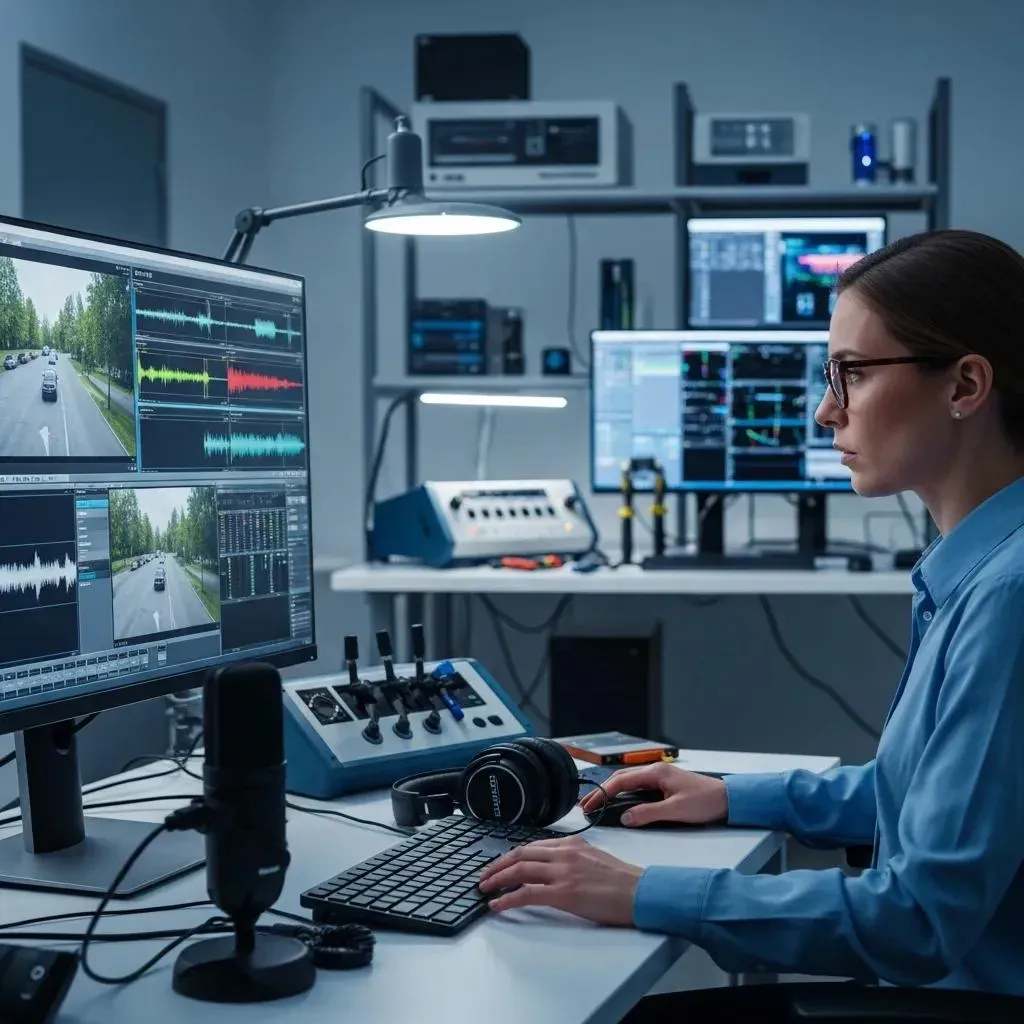
Forensic audio analysis involves various techniques aimed at enhancing and authenticating audio recordings for legal use. These methods are essential for ensuring that audio evidence can withstand scrutiny in court. The primary techniques include noise reduction, signal enhancement, and voice identification. Each method serves a specific purpose, contributing to the overall integrity of the audio evidence.
- Noise Reduction: This technique minimizes background noise, making the primary audio clearer and more intelligible.
- Signal Enhancement: By amplifying specific frequencies, analysts can improve the quality of the audio, making it easier to understand.
- Voice Identification: This method involves comparing the voice in the recording to known samples to establish identity, which can be crucial in legal cases.
Understanding these core methods is vital for legal professionals and clients alike, as they form the foundation of effective forensic audio analysis.
How Is Audio Evidence Authenticated and Enhanced?

The authentication and enhancement of audio evidence are critical steps in the forensic analysis process. Proper procedures ensure that the evidence is reliable and can be presented in court without challenges to its integrity. Key methods include:
- Timestamped Media Capture: Recording audio with timestamps helps establish when the evidence was collected, which is essential for its authenticity.
- Redundant Documentation: Maintaining detailed records of the collection and analysis process supports the credibility of the evidence.
- Chain of Custody Protocols: Following strict protocols for handling and storing audio evidence ensures that it remains unaltered and can be verified in court.
These methods not only enhance the quality of the audio but also bolster its admissibility in legal proceedings. For those seeking professional assistance, The Dillon Agency specializes in private investigation services, including forensic audio analysis designed to produce court-admissible evidence in Tennessee.
Which Technologies Ensure Court-Admissible Audio Evidence?
Several technologies are employed to ensure that audio evidence meets the standards required for court admissibility. These technologies include:
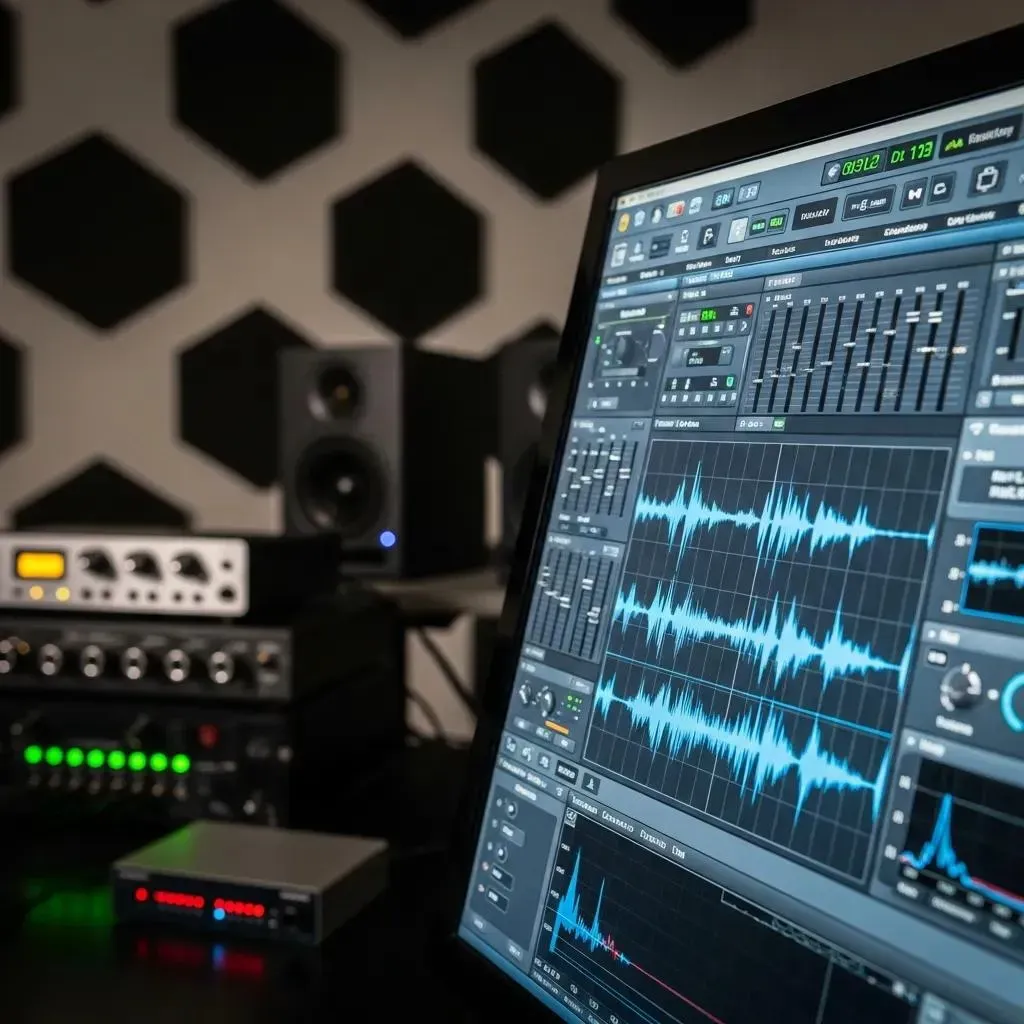
- Digital Audio Workstations (DAWs): These software applications allow forensic analysts to manipulate audio files, enhancing clarity and removing unwanted noise.
- Spectral Analysis Tools: These tools visualize audio frequencies, helping analysts identify specific sounds and enhance them for better clarity.
- Audio Authentication Software: This software verifies the integrity of audio files, ensuring they have not been tampered with since their original recording.
Utilizing these technologies is essential for producing audio evidence that can withstand legal scrutiny and be deemed admissible in court.
How Does Forensic Video Analysis Support Legal Proceedings in Tennessee?
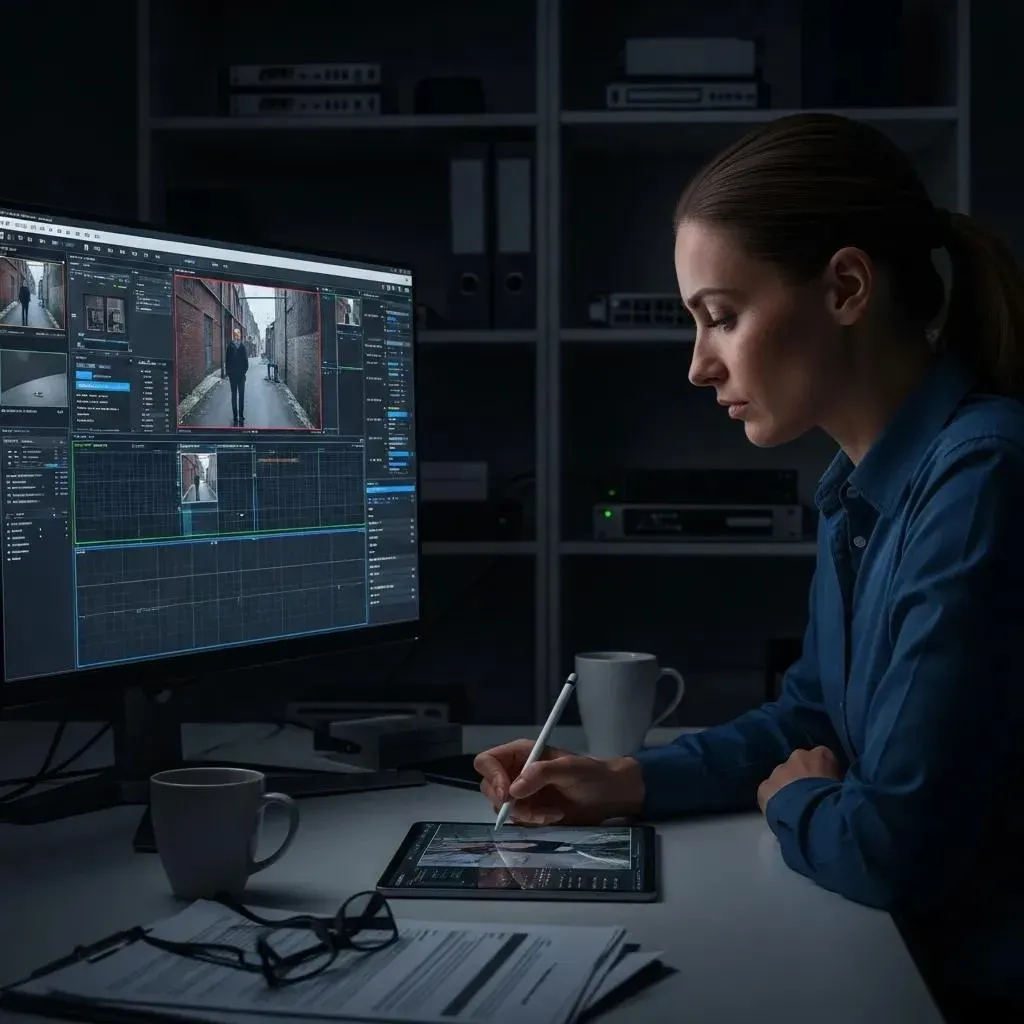
Forensic video analysis is equally important in legal contexts, providing visual evidence that can corroborate or contradict testimonies. This analysis involves examining video footage for clarity, authenticity, and relevance to the case. Key aspects include:
- Enhancement Techniques: Similar to audio analysis, video enhancement techniques improve the quality of footage, making it easier to identify key details.
- Frame-by-Frame Analysis: This method allows analysts to scrutinize each frame of the video, identifying critical moments that may be relevant to the case.
- Contextual Analysis: Understanding the context in which the video was recorded is crucial for its interpretation and relevance in court.
The role of forensic video analysis in legal proceedings cannot be overstated, as it often provides compelling evidence that can influence the outcome of a case.
What Techniques Are Used for Video Evidence Enhancement?
Enhancing video evidence involves several techniques that improve the clarity and usability of the footage. These techniques include:
- Digital Noise Reduction: This process removes graininess and enhances the overall quality of the video.
- Color Correction: Adjusting the color balance can make details more visible, which is particularly useful in low-light conditions.
- Stabilization: This technique reduces shakiness in the footage, making it easier to view and analyze.
These enhancement techniques are vital for ensuring that video evidence is clear and usable in legal contexts, allowing for accurate interpretations by judges and juries.
How Is Video Evidence Verified for Court Admissibility?

Verifying video evidence for court admissibility involves several critical steps to ensure its integrity and authenticity. Key verification methods include:
- Chain of Custody Documentation: Maintaining a clear record of who handled the video evidence and when is essential for establishing its authenticity.
- Hash Verification: This process involves creating a unique digital fingerprint of the video file, which can be used to confirm that it has not been altered.
- Expert Testimony: In some cases, forensic experts may be called to testify about the methods used to analyze and verify the video evidence.
These verification processes are crucial for ensuring that video evidence can be confidently presented in court.
What Are Tennessee’s Legal Standards for Court-Admissible Forensic Evidence?
Tennessee has specific legal standards that govern the admissibility of forensic evidence in court. These standards focus on the relevance and reliability of the evidence presented. Key considerations include:
- Relevance: The evidence must be directly related to the case at hand and contribute to proving or disproving a fact in question.
- Reliability: The methods used to collect and analyze the evidence must be scientifically valid and widely accepted within the forensic community.
- Compliance with State Laws: Evidence must adhere to all applicable state laws and regulations to be considered admissible.
Understanding these legal standards is essential for legal professionals and clients involved in cases that rely on forensic evidence.
Which Chain of Custody Procedures Ensure Evidence Integrity?
Maintaining the integrity of evidence is paramount in forensic investigations. Chain of custody procedures are designed to ensure that evidence remains unaltered from the time of collection to its presentation in court. Key procedures include:
- Documentation: Every individual who handles the evidence must document their interaction, including the date, time, and purpose.
- Secure Storage: Evidence must be stored in a secure location to prevent tampering or contamination.
- Transfer Protocols: When evidence is transferred between parties, detailed records must be kept to track its movement.
These procedures are critical for establishing the credibility of the evidence and ensuring it can be used effectively in legal proceedings.
What Qualifications Must Private Investigators Meet in Tennessee?
In Tennessee, private investigators must meet specific qualifications to operate legally. These qualifications include:
- Age and Citizenship Requirements: Investigators must be at least 18 years old and a U.S. citizen or legal resident.
- Background Checks: A thorough background check is required to ensure the individual has no disqualifying criminal history.
- Experience and Training: Many investigators are required to have prior experience in law enforcement or a related field, along with specialized training in investigative techniques.
These qualifications help ensure that private investigators are equipped to handle sensitive cases and provide reliable services.
How Can Clients Secure Confidential and Professional Forensic Investigation Services?
Clients seeking forensic investigation services should take specific steps to ensure they receive professional and confidential assistance. Key steps include:
- Utilize Secure Communication: Clients should communicate sensitive information through secure channels to protect their privacy.
- Prepare Relevant Details: Providing investigators with all pertinent information upfront can streamline the investigation process.
- Discuss Confidentiality: Clients should explicitly discuss confidentiality measures with their investigator to ensure their information is protected.
By following these steps, clients can secure the professional services they need while maintaining their privacy.
What Confidentiality Measures Protect Sensitive Client Information?
Confidentiality is a cornerstone of professional forensic investigation services. The Dillon Agency employs several measures to protect sensitive client information, including:
- Secure Communication Channels: All communications are conducted through encrypted channels to prevent unauthorized access.
- Data Protection Measures: Client data is stored securely, with access limited to authorized personnel only.
- Discreet Handling of Findings: Investigators are trained to handle sensitive information discreetly, ensuring that findings are shared only with authorized individuals.
These confidentiality measures are essential for maintaining client trust and ensuring that sensitive information remains protected.
How to Request a Consultation for Forensic Audio and Video Analysis?
Requesting a consultation for forensic audio and video analysis is a straightforward process. Clients can follow these steps:
- Contact Methods: Reach out via phone at (615) 455-8163 or email at info@thedillonagency.com to initiate the consultation.
- Information to Provide: Be prepared to share details about the case and the specific services needed.
- Response Expectations: Clients can expect a prompt response to their inquiries, with a focus on understanding their needs and providing tailored solutions.
By following these steps, clients can easily access the forensic analysis services they require.