




What to Expect When You Hire a Private Investigator in Tennessee

Hiring a private investigator in Tennessee can be a pivotal decision for individuals and businesses alike. Understanding the intricacies of the investigative process, the types of services available, and the legal framework governing private investigations is essential. This article will guide you through what to expect when you hire a private investigator, focusing on the investigation process, types of investigations offered, licensing requirements, and the importance of confidentiality. By the end, you will have a clearer picture of how to navigate this often complex landscape and ensure you make informed choices.
Investigation Process Explained
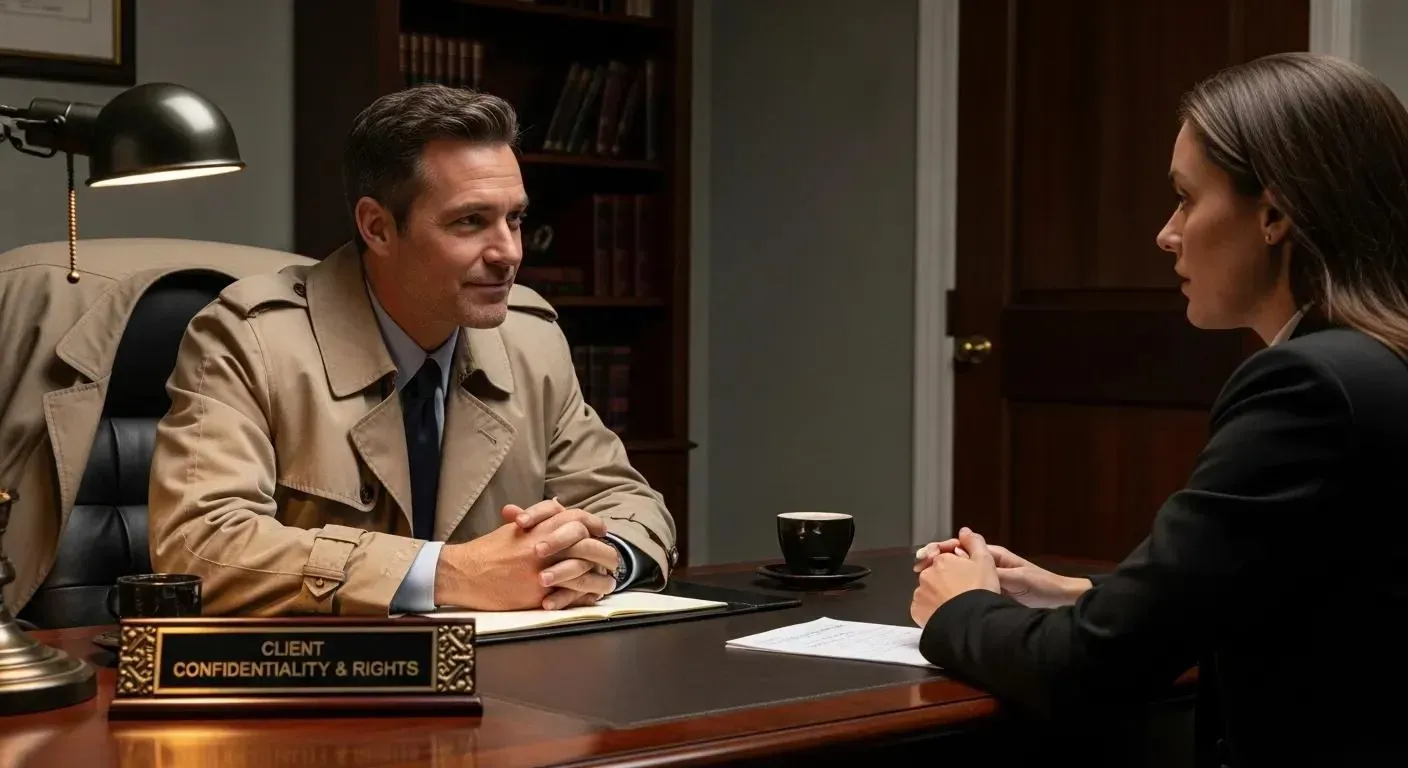
The investigation process typically involves several key steps that ensure thoroughness and professionalism. Initially, a private investigator will conduct a consultation to understand the client's needs and objectives. This phase is crucial as it sets the foundation for the entire investigation. Following this, the investigator will gather relevant information, which may include surveillance, interviews, and background checks.
Confidentiality is paramount throughout this process, as clients must trust that their sensitive information will be handled with care. Clients also have rights during the investigation, including the right to be informed about the progress and findings. Understanding these rights can empower clients and enhance their overall experience.
For those seeking professional assistance, The Dillon Agency specializes in confidential private investigation services tailored to meet the unique needs of both individuals and businesses. Their commitment to trust and professionalism ensures that clients receive a thorough investigative process designed to meet their specific requirements.
Types of Investigations Offered

Private investigators in Tennessee offer a variety of services to address different needs. Clients hire PIs for child custody investigation services, corporate investigation services, insurance fraud investigations, and pre-employment screening. Some of the most common types of investigations include:
- Surveillance Services: This involves monitoring a subject's activities to gather evidence for various purposes, such as infidelity cases or employee misconduct.
- Background Checks: These checks are essential for individuals or businesses looking to verify someone's history, including criminal records, employment history, and financial stability.
- Infidelity Investigations: These investigations help individuals confirm suspicions of cheating in relationships, providing peace of mind through discreet and professional services.
Each type of investigation is tailored to the client's specific situation, ensuring that the approach is both effective and respectful of privacy.
Licensing and Qualifications in Tennessee
In Tennessee, private investigators must adhere to specific licensing requirements to operate legally. The state mandates that all private investigators obtain a license from the Tennessee Department of Commerce and Insurance. This process typically involves background checks and proof of relevant experience or education in the field of investigation.
Research further highlights the varying approaches states take to licensing private investigators and related professionals.
Private Investigator Licensing Across US States
In this update to the 2009 year's study, the authors examine statutes that regulate, license, and enforce investigative functions in each US state. After identification and review of Private Investigator licensing requirements, the authors find that very few state statutes explicitly differentiate between Private Investigators and Digital Examiners, but do see a trend of more states making some distinction. The authors contacted all state regulatory agencies where statutory language was not explicit, and as a result, set forth the various state approaches to professional Digital Examiner licensing. As was the case in the previous two iterations of this research, the authors conclude that states must differentiate between Private Investigator and Digital Examiner licensing requirements and oversight.
To license or not to license updated: An examination of state statutes regarding private investigators and digital examiners, A Rea, 2012
Hiring a licensed private investigator is crucial, as it ensures that the investigator has met the necessary qualifications and adheres to state regulations. This not only protects the client but also enhances the credibility of the investigation process.
Further studies continue to examine the evolving landscape of private investigator licensing and the specific regulations for digital examiners across US states.
US State PI Licensing & Digital Examiner Regulations
In this update to the 2015 study, the authors examine US state statutes and regulations relating to licensing and enforcement of Digital Examiner functions under each state’s private investigator/detective statute. As with the prior studies, the authors find that very few state statutes explicitly distinguish between Private Investigators (PI) and Digital Examiners (DE), and when they do, they either explicitly require a license or exempt them from the licensing statute. As noted in the previous 2015 study there is a minor trend in which some states are moving to exempt DE from PI licensing requirements. We examine this trend as well as look at some additional information in terms of exemptions including those relating to practicing attorneys, employer/employee relationships, expert testimony, and penalties for violation of the PI statutes where it is believed a PI license is required.
To License or Not to License Reexamined: An Updated Report on Licensing of Digital Examiners Under State Private Investigator Statutes, A Rea, 2022
Confidentiality and Client Rights

Confidentiality is a cornerstone of the private investigation industry. Clients have the right to expect that their information will be kept secure and private throughout the investigative process. This includes not only the findings of the investigation but also any personal details shared during consultations.
The inherent nature of private investigation work often presents unique ethical challenges that necessitate robust industry regulation and accountability.
Ethical Challenges & Regulation for Private Investigators
This study examines ethical issues faced by private investigators and commercial agents, and the implications for industry regulation. Interviews were conducted with 40 agents, covering their experiences of ethical challenges, perceptions of the conduct of colleagues, and ideas regarding the best form of regulatory control. The results indicate that a marked evolution has occurred in the last 30 years away from ‘personal work’ and towards large-scale anti-fraud work. This has brought private agents into the commercial mainstream, and contributed to enhanced respectability and improved, client-driven standards of conduct. Nonetheless, private inquiry work continues to present intrinsic ethical risks through the traditional conflict between perceived just ends and unethical or illegal means, combined with extensive operational discretion and limits on client or government supervision. The main areas of risk concern threats to privacy through access to confidential information and through intrusions into personal space, deceptive practices, and intimidation.
Private inquiry agents: ethical challenges and accountability, M King, 2003
Clients also have rights regarding the conduct of the investigation. They should be informed about the methods being used and have the opportunity to ask questions or express concerns. Understanding these rights can help clients feel more secure and involved in the process.
Pricing and Consultation Details
When considering hiring a private investigator, understanding the pricing structure is essential. Typically, fees can vary based on the complexity of the case and the type of services required. Many private investigators offer initial consultations to discuss the case and provide an estimate of costs involved.
To schedule a consultation with a reputable agency, such as The Dillon Agency, clients can expect a professional approach that prioritizes their needs and concerns. This initial meeting is an opportunity to discuss the specifics of the case and understand the potential costs involved.
| Service Type | Description | Pricing |
|---|---|---|
| Surveillance Services | Monitoring activities to gather evidence | Varies based on case complexity |
| Background Checks | Verifying personal and professional histories | Varies based on depth of investigation |
| Infidelity Investigations | Discreetly confirming suspicions of infidelity | Varies based on case specifics |
This table outlines the types of services offered and highlights the importance of discussing pricing during the initial consultation to ensure transparency and understanding.
In conclusion, hiring a private investigator in Tennessee involves understanding the investigation process, the types of services available, and the legal requirements that govern the industry. By being informed about these aspects, clients can make educated decisions and ensure that their needs are met with professionalism and confidentiality.
Conclusion
Understanding the intricacies of hiring a private investigator in Tennessee empowers clients to make informed decisions that prioritize professionalism and confidentiality. By recognizing the various types of investigations available and the importance of licensed services, individuals can ensure their specific needs are met effectively. Engaging with a reputable agency like The Dillon Agency can provide peace of mind and tailored support throughout the investigative process. Take the next step in securing your interests by scheduling a consultation today.